Spice pouches · ground spices, chili powder, seasoning blends, dried herbs
Custom spice pouches: aroma and color stay inside.
Request a spice pouch proposalA seasoning is worth its aroma and color, and both fade over time: aromatic oils escape, light fades chili powder and paprika, and moisture cakes the powder. A pouch does not change your raw material, but it decides how much of that reaches the customer. This page organizes what a spice, chili or seasoning brand decides before requesting a proposal; which format, barrier and closure are available for your order is confirmed by the producer.
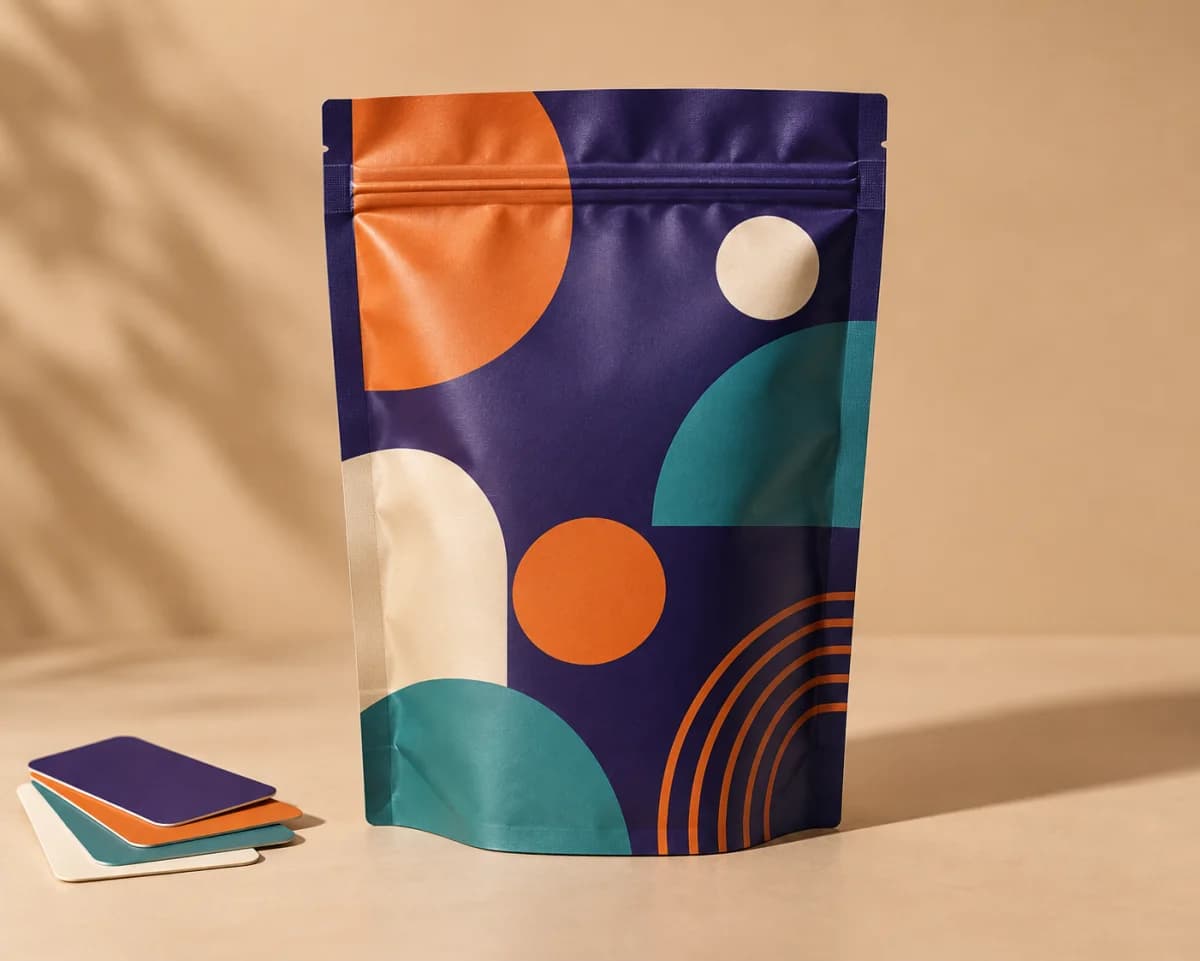
Six decisions before you quote a spice pouch
Start with what your product loses first: aroma, color or a free-flowing powder.
- 01
Format
Stand-up with zipper for 50 g to 250 g of ground spices and blends used a little at a time; three-side seal or sachet for portions, samples and single-use seasonings; flat-bottom for 500 g to 1 kg food-service or bulk packs. Leaves and whole chiles take far more room than ground product, so the size is validated by filling samples.
- 02
Aroma
Aroma comes from volatile oils that escape with heat, air and time, and ground spices lose them sooner than whole ones. A barrier film and a complete seal keep the aroma in, and also stop a strong seasoning, such as cumin or garlic, from passing its smell to other products.
- 03
Light and color
Light fades the red pigments of chili powder and paprika. A window shows the color at purchase, but light gets in there; for products that sit on the shelf for weeks a small window or an opaque or metallised pouch is safer.
- 04
Moisture and caking
Powders and blends with salt or sugar take up moisture from the air and cake, and in high humidity mold can grow. A water-vapor barrier, a clean seal and a zipper that closes well hold it back; keeping them away from the stove and steam helps too.
- 05
Dust and seals
Fine powder and chili oils that land in the seal area weaken the seal. Clean filling and seal tests with your real product solve it; if you sell whole chiles, leaves or stems with hard points, tell us so we check the film's puncture resistance.
- 06
Label and one design per blend
In the US spices and seasonings follow FDA food labelling, and blends with salt carry sodium in the Nutrition Facts; in Mexico NOM-051 may add warning seals such as excess sodium. With digital printing every blend or chili can have its own artwork in the same order, as long as they share size, structure and closure.
Reference spice and seasoning formats
A starting point by product type; size and structure are confirmed with filled samples.
| Format | Used for | What to check |
|---|---|---|
| Stand-up with zipper, 50 to 250 g | Ground spices, chili powder and blends | Zipper away from the fill opening; a small window or none |
| Three-side seal or sachet, 5 to 30 g | Portions, samples and single-use seasonings | One main face; mandatory label elements take proportionally more room |
| Flat-bottom, 500 g to 1 kg | Food service, wholesale and online sales | Firm base and wide front; check it stands when full |
| Stand-up with window, 30 to 100 g | Dried herbs and fast-moving whole chiles | A lot of volume per gram; a window lowers light protection |
What we will not assume
We do not publish a minimum, price, turnaround or shelf life. Size, barrier, window, zipper, number of blends and production availability change the proposal and are confirmed by the producer. The safety of your raw material and your label content are decided by the brand with its advisor; we check that the pouch and artwork support your process.
What we need to prepare your proposal
These facts are enough to start; final artwork can wait.
Request a spice pouch proposal- 01Product (ground or whole spice, chili powder, seasoning or blend) and weight per pack
- 02Does it contain salt, sugar or oil?
- 03Number of blends and quantity of each
- 04Window, zipper, barcode?
- 05Country of sale and target date
Questions spice and seasoning brands ask
Which pouch keeps spice aroma best?
One with a barrier, a good seal and a reclosable zipper, stored away from heat and light. No pouch stops aroma loss entirely; ground spices lose it sooner than whole ones.
Why does my seasoning cake?
Moisture: salt, sugar and fine powders take it up from the air. A water-vapor barrier, a complete seal and a clean zipper hold it back; where it is stored counts too.
Clear window, yes or no?
It sells the color, but light gets in there and chili powder and paprika fade sooner. For a long shelf life a small window or none is safer.
Can a seasoning's smell pass to other products?
It can if the film has no barrier or the seal fails. If your blends ship together or next to other foods, tell us so we choose a structure that keeps the aroma in.
Can each blend have its own design?
Yes, digital printing changes the artwork per design without plates. For blends to share production they must match in size, structure and closure; tell us how many pouches you want of each.
How many pouches can I order?
It depends on the format, the structure and available production. Tell us your target quantity per blend and we review it instead of promising a generic minimum.
Tell us what you are packing.
We turn the product, quantity per design and open questions into a reviewed proposal, not an automatic price that ignores the specification.
Request a spice pouch proposal